For sellers who are worried about crowded inventory, buyer hesitation, or managing a sale from the mainland, creating demand and getting a strong offer without sitting on the market can feel out of reach. It isn't.
Seller Alec is a great example, who sold his Ewa Beach condo with Realtor Laura Fleming and received multiple offers and accepted one after just 13 days on market. His sale closed at $10,000 over the listed price in just 21 days.
What made this sale work wasn't timing or a sudden shift in the market. It was preparation, pricing, marketing, and negotiation all pulling in the same direction.
The Result Sellers Actually Want
Closing at $10,000 over asking while competing against 11 units in the same complex is the kind of outcome most sellers hope for but aren't sure how to get. On a broader scale, O'ahu condos average 38 median days on market, and only about 11% sell above asking price. Alec's sale beat both of those benchmarks by a significant margin.
For sellers, those numbers translate into real, tangible benefits. Fewer days on market means less time managing showings, less uncertainty about your next move, and less risk of price reductions eating into your proceeds. Selling above asking means you're walking away with more than you planned for. And when the process is managed well, it's also less stressful from start to finish.
What's easy to overlook is how difficult that outcome is to achieve when you're competing inside the same building. Buyers shopping in a complex with multiple active listings will compare units directly. They'll weigh price per square foot, condition, finishes, and how a unit feels when they walk through the door. Simply being on the MLS isn't enough to stand out in that environment. The listing has to earn the buyer's attention and hold it long enough to generate an offer.
Why This Sale Stood Out in a Crowded Ewa Beach Market
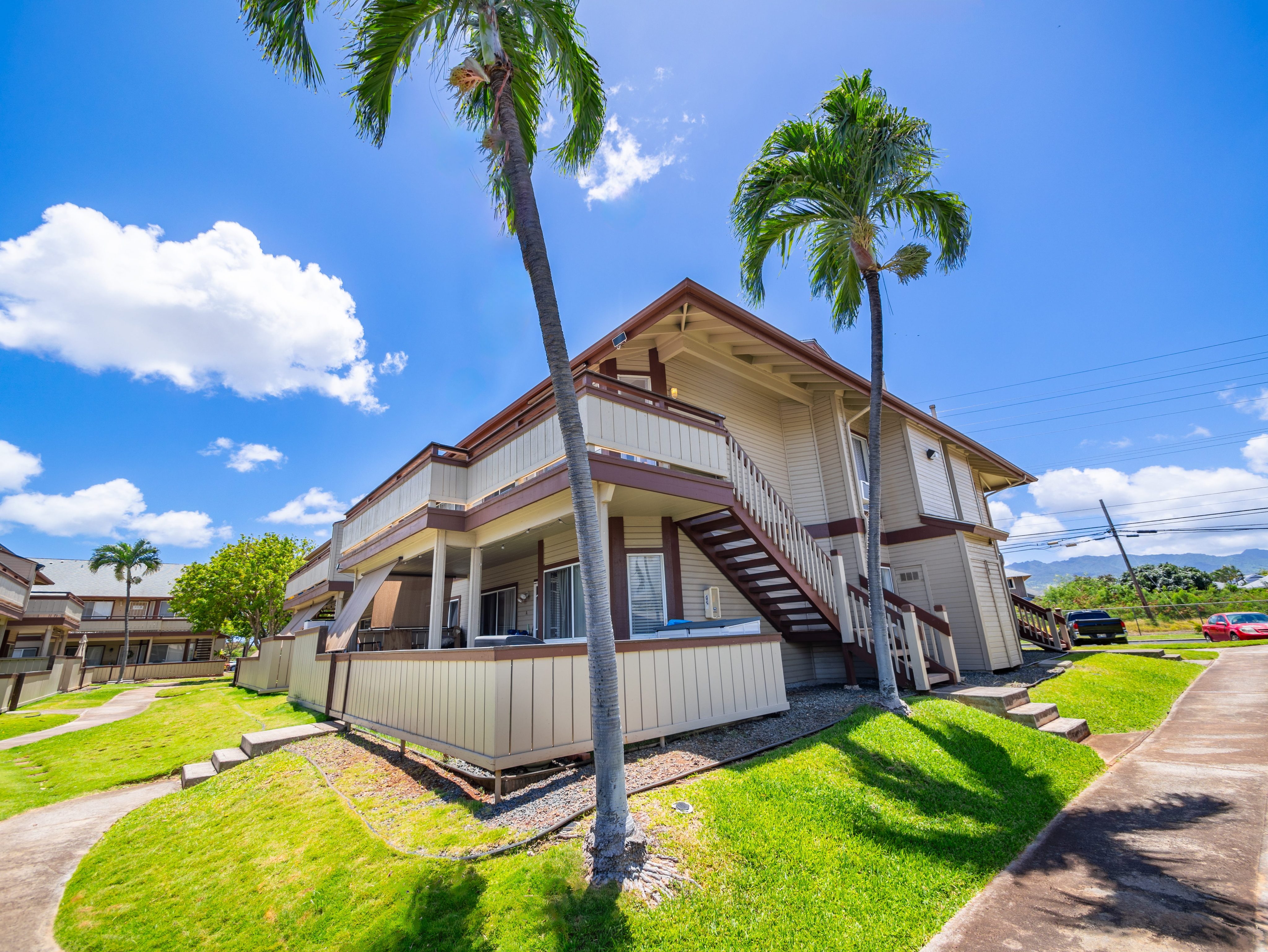
Eleven active listings in one complex creates a very specific kind of competition. Buyers don't have to look far to find alternatives, and they're making comparisons in real time. In that environment, a unit that looks similar to its neighbors but shows better will consistently win more attention.
Buyers in the $495,000 price range are also particularly value-conscious. They're often stretching their budget, and they want to feel confident that the unit they're choosing is worth what they're paying. Move-in readiness matters a lot here. A condo that needs work, even minor cosmetic work, gives buyers a reason to negotiate down or walk away entirely.
Ewa Beach has seen steady condo activity, but that doesn't mean every listing moves quickly. Many properties in this market sit longer than sellers expect, especially when they're competing against updated or better-presented units nearby. Alec's situation added another layer of complexity because he was an out-of-state military seller managing the process remotely. He needed the sale to run smoothly without being physically present to oversee every detail, which made having a hands-on local agent even more critical.
The Three Decisions That Created Momentum Fast
The result came down to three core decisions made early in the process, and each one compounded the effect of the others.
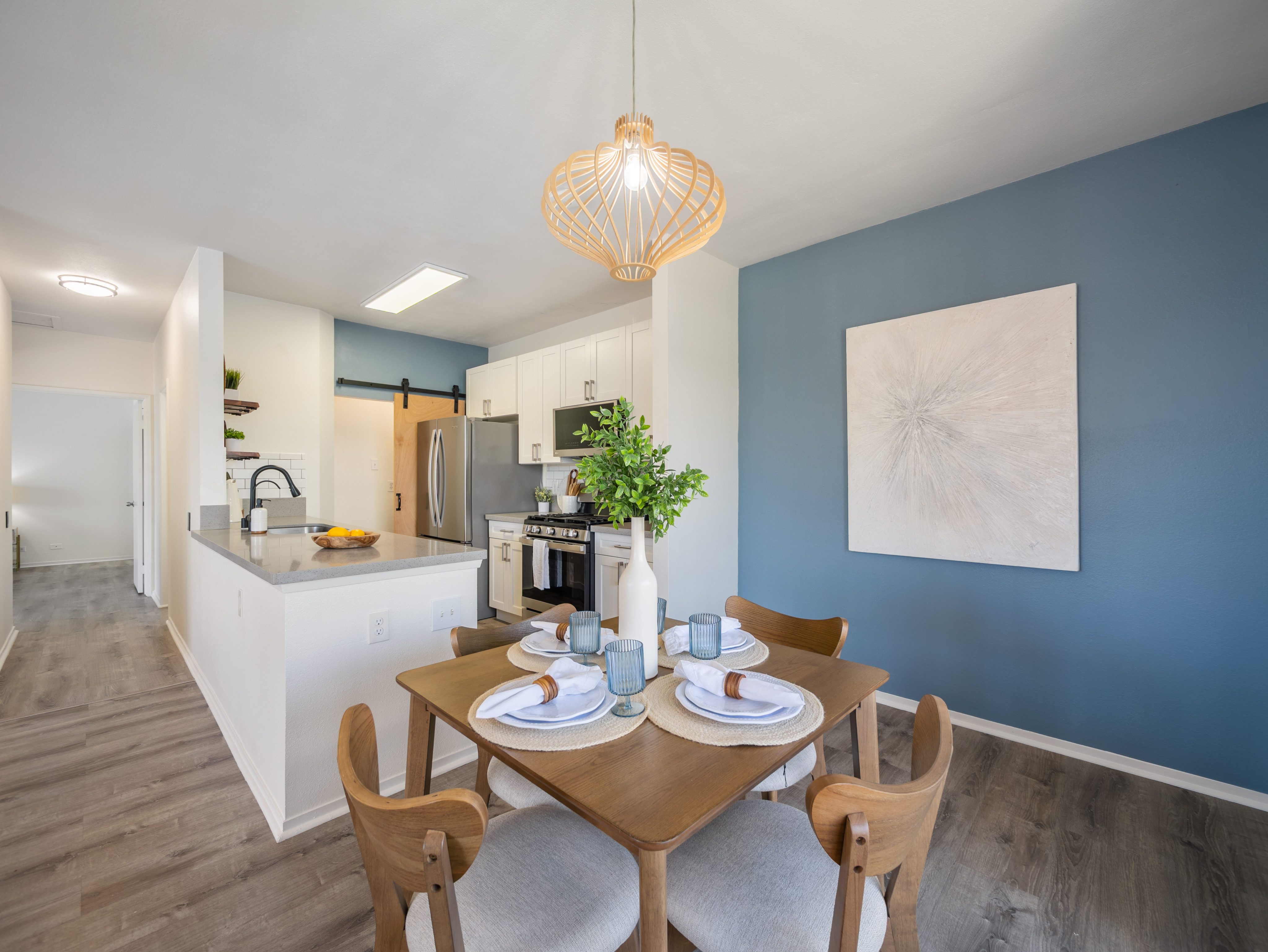
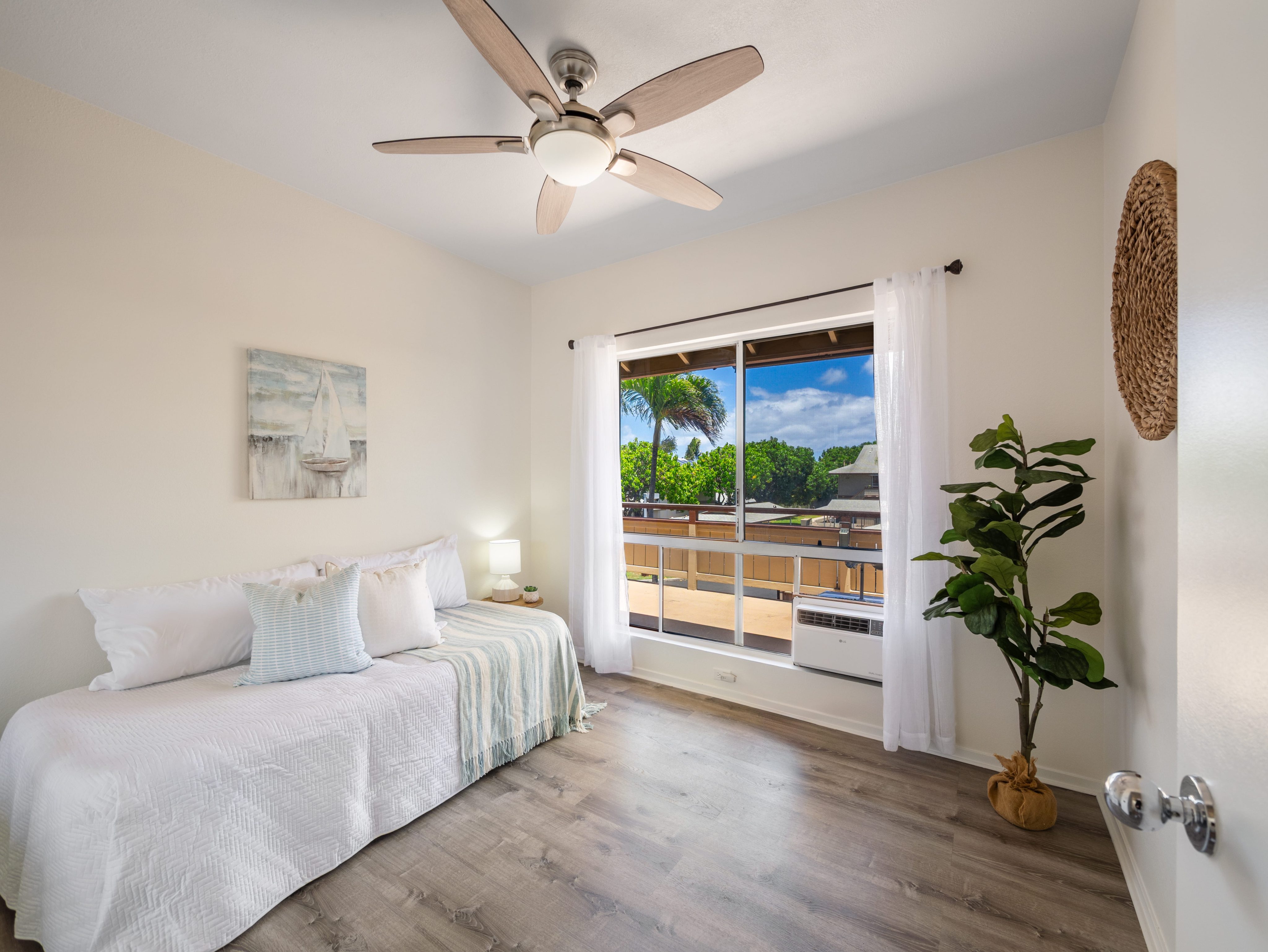
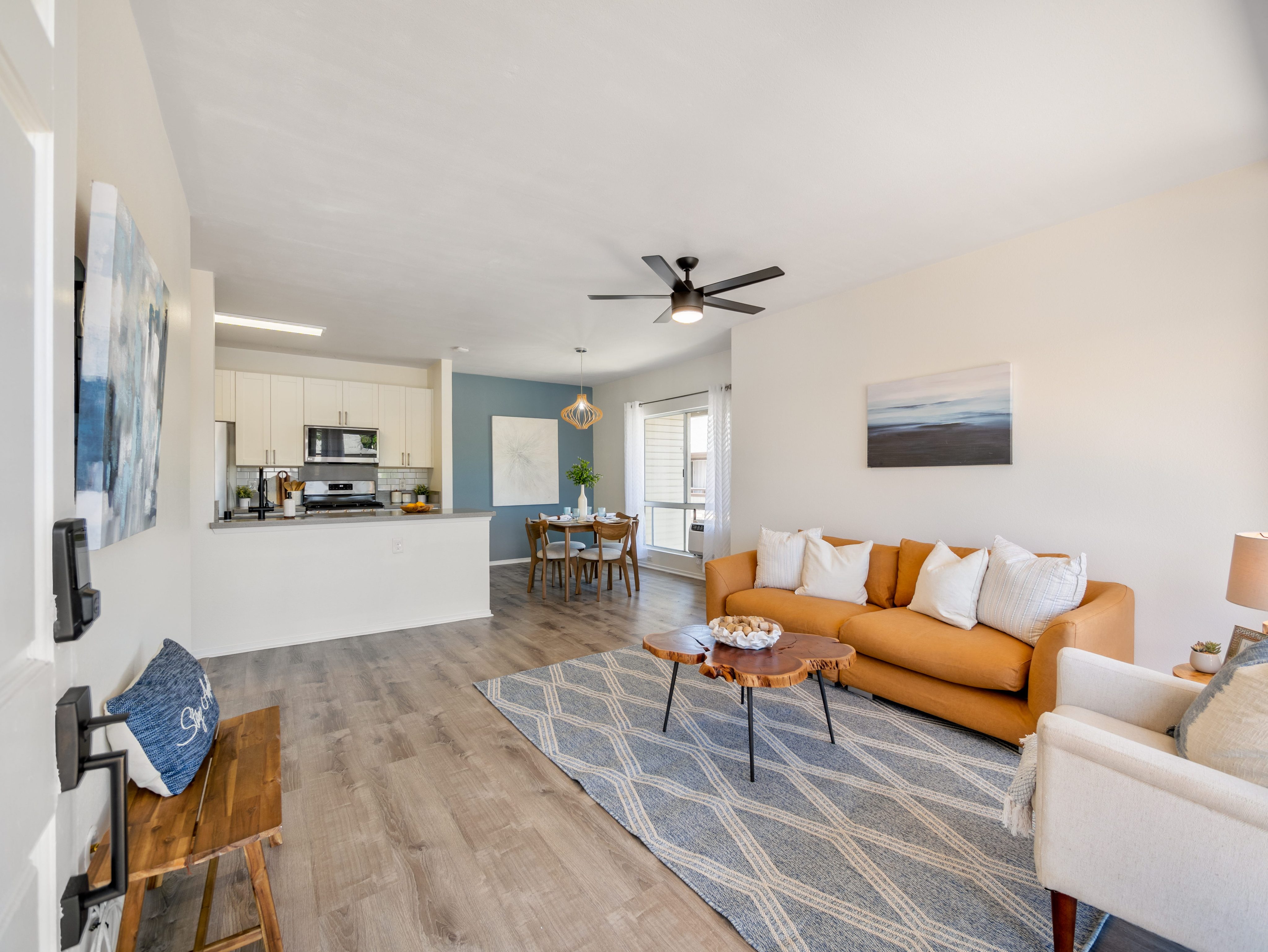
- Preparation brought the unit to a standard that made buyers feel like they were getting something well cared for. The repaint and staging removed the friction that causes buyers to hesitate, and the feature wall gave the condo a visual identity that made it memorable both online and in person.
- Pricing at $495,000 was a deliberate choice to position the unit just below the $500,000 threshold. That price point broadened the buyer pool, aligned with active demand, and made the condo feel like strong value compared to other listings in the complex.
- A focused launch strategy concentrated buyer attention during the first week of the listing, which is when interest is highest. That early momentum created the conditions for multiple offers rather than a slow trickle of showings that leads to price cuts.
None of these decisions happened in isolation. The preparation made the pricing feel justified. The pricing made the launch more effective. And the launch strategy turned that preparation and pricing into real buyer urgency.
How Smart Prep Made This Unit Feel Like the Obvious Choice
A fresh coat of paint does more than make a room look clean. In a condo where buyers are comparing multiple units with similar layouts, a repaint removes the visual clutter of scuffs, dated colors, and wear that signals deferred maintenance. It's not about aesthetics for their own sake. It's about reducing the mental resistance buyers feel when they walk into a space that doesn't feel move-in ready.
The feature wall was a specific, deliberate choice. Rather than painting every wall a neutral tone and blending into every other unit in the complex, the feature wall gave this condo a visual anchor. In listing photos, it created a focal point that made the space more memorable. In person, it gave buyers something to respond to emotionally rather than just evaluating the unit on a checklist.
Staging worked in a similar way. Research consistently shows that staged homes spend less time on market and help buyers feel more connected to a space. In a condo setting, where floor plans are often identical across units, staging is one of the few tools that creates a genuine sense of differentiation. Furniture placement, scale, and styling all influence how large and livable a space feels, and that perception directly affects how buyers value what they're seeing.
Taken together, these choices made Alec's unit look better maintained and more move-in ready than the competition. That matters because buyers in this price range are often making emotionally driven decisions that they later justify with logic. When the first impression is strong, the offer that follows tends to be stronger too.
Why the $495,000 Price Point Worked
Pricing a home just below a round number isn't a new concept, but the reasoning behind it is worth understanding clearly. Listing at $495,000 instead of $500,000 meant that buyers searching with a $500,000 ceiling would see this unit in their results. That's a meaningful difference in a complex with multiple active listings, because it widened the pool of buyers who even discovered the condo in the first place.
Beyond search filters, the price also shaped how buyers perceived the unit's value relative to its neighbors. When a well-prepared, move-in ready condo is priced at $495,000 alongside other units asking similar or higher amounts in worse condition, buyers notice. The goal wasn't to underprice the property and leave money behind. It was to create a strong value perception that would drive showings early and generate the kind of competitive interest that pushes the final sale price up.
That's exactly what happened. The price attracted serious buyers quickly, which kept the listing from going stale. A listing that sits for weeks starts to raise questions in buyers' minds about what's wrong with it, even when nothing is. By pricing to generate early activity, the listing stayed in a position of strength rather than having to chase the market with reductions later.
Urgency in real estate is often manufactured through strategy, not luck. When buyers feel like a well-priced, well-presented unit might not be available for long, they move faster and they negotiate less aggressively on price. That dynamic played out directly in this sale.
How the Marketing and Negotiation Turned Interest Into a Better Deal
Strong photos and a polished online presentation were the first filter. In a market where buyers are scrolling through dozens of listings, the quality of the photography determines whether someone clicks through or keeps scrolling. For Alec's condo, the feature wall and staging gave the photographer something to work with, and the result was a listing that looked noticeably sharper than comparable units in the complex.
The launch strategy concentrated that attention into a short window at the start of the listing period. Rather than letting showings trickle in over weeks, the goal was to generate as much activity as possible in the first several days. That concentration of interest is what creates a multiple-offer situation, and a multiple-offer situation is what gives a seller real negotiating power.
When more than one buyer wants the same property, the dynamic shifts. Buyers who might otherwise ask for concessions or push back on price are less likely to do so when they know others are competing for the same unit. The seller gets to choose not just the highest price, but also the cleanest terms and the most reliable buyer. In Alec's case, that meant closing $10,000 over asking with a timeline that worked for his situation as an out-of-state seller.
Managing that process closely from start to finish made the difference between a good outcome and a great one. Multiple offers are only valuable if the negotiation is handled in a way that maximizes both price and certainty.
What Remote and Military Sellers Should Take From This Story
Managing a sale from another state, especially during a PCS move, is one of the more stressful versions of the home-selling process. There are vendors to coordinate, decisions to make on short timelines, and no ability to simply drive over and check on things. The margin for error feels smaller because you're relying entirely on the people you've hired to get it right.
What Alec's sale demonstrates is that a remote transaction can run just as smoothly as one where the seller is local, but only when the agent is genuinely hands-on. That means coordinating painters, stagers, and photographers without needing constant input from the seller. It means making informed recommendations about prep decisions rather than putting every choice back on the client. It means communicating proactively so the seller always knows where things stand, even from thousands of miles away.
The peace of mind that comes from that kind of support isn't a bonus. For a military seller managing a move with fixed timelines and competing priorities, it's the whole point. Shortcuts in the preparation phase or a passive approach to marketing might save a little time upfront, but they tend to cost more in the final outcome.
Agent choice matters in every sale, but it matters most when the stakes are high and the market is competitive. A crowded complex, a remote seller, and a price point where buyers are making careful comparisons...that combination leaves very little room for a passive or generic approach. The sellers who get the best outcomes are the ones who choose representation capable of handling every layer of that complexity.
Selling your Ewa Beach condo with several competing listings nearby isn't a reason to lower your expectations.
It's a reason to be more deliberate about every decision from the moment you decide to list.
Check out this article next